Thursday, May 7, 2020

Process of Environmental Remediation


194125900
The recipient of a bachelor's degree in electrical engineering from the University of Southern California, Dianoush Emami worked as an electrical engineer at Bechtel Power Corporation for six years. Dianoush Emami has helped project teams in designing and implementing safety programs for environmental remediation projects and power plant construction.

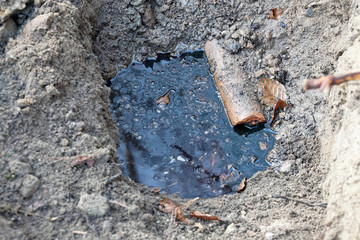
A measure that is taken to reclaim contaminated areas and prevent associated environmental and health hazards, environmental remediation involves removing pollutants from an area. Some examples of contaminated areas include spaces occupied by commercial units, landfills, some abandoned lands (such as old military training grounds), and spaces occupied by industrial facilities.

Generally, every environmental remediation project starts with an initial assessment of the area suspected of being contaminated or having a potential for contamination. This includes collecting water and soil samples to check for contaminants and evaluate possible risks to the environment and health. The next step involves planning and implementing suitable intervention and remediation measures to remove the contaminants from the area. This may include the conversion of harmful chemical contaminants to less harmful environmental-friendly chemicals or gases. Once remediation is done, monitoring of the decontaminated site will be necessary to evaluate results.

Friday, April 17, 2020

A Brief Overview of Utility Load Management System

The recipient of the IEEE PES 1995 best technical report award, Dianoush Emami is a former electrical engineer at Bechtel Power Corporation. Dianoush Emami, a graduate of the University of Southern California, has participated in load management projects and also has written system specifications for control systems.

Utilities are industries that operate facilities that generate, transmit, and distribute gas, water, or electricity to the general public. By balancing a complex power grid through proper understanding of the essentials of utility load management, electric utilities not only generate and sell power but also perform this service in a convenient and inexpensive way for the utility and their consumers. Utility load management is a way of balancing electrical load with supplied electricity by adjusting the load rather than the supplied power. Generally, utility management systems minimize the demand for electricity at peak usage time, which can save the utility a large number of expenses.

Often, utilities partner with experts to create a utility load management system. These systems need to possess data integration and automation capabilities, which can enable the utility track performance and forecast capacity. An ideal utility load management system should also minimize peak demand pricing, which can benefit customers by reducing electricity costs.

Monday, April 6, 2020

Three Types of Automated Meter Reading Devices


Dianoush Emami is a California-based electrical engineer with extensive experience in safety programs and processes. In addition, Dianoush Emami has performed audits for the California Independent System Operator and implemented Automated Meter Reading (AMR) programs to collect energy utilization data.

AMR programs rely on communication technology to collect energy usage information and apply it to energy management and billing systems. AMR platforms, which translate a meter’s mechanical dial movements into digital signals, employ communication technologies that range from telephones and satellites to cable and radio frequencies.

Currently, there are three common forms of AMR systems: advanced meter, data logger, and gas-embedded meters. Advanced meters refer to remote reading devices that connect to the meter itself, while data loggers offer remote reading capabilities through the use of transporters. The third form of AMR, gas-embedded meters, is built into the meter itself and is critical to the unit’s function. Smart meters are similar to AMR devices, but instead of relying on device-specific communication technology they are operated by a centralized data communication company.

Tuesday, March 31, 2020

What is an Energy Management System?


Dianoush Emami is a California resident with over thirty years of experience in the field of safety and utility. A trained electrical engineer, Dianoush Emami has partnered with other industry professionals to develop energy management system interfaces that integrate the business operations of an entire utility enterprise.

Energy management systems (EMS) refer to utility automation systems that are composed of software and hardware components, including smart meters, sensors, and other devices. At their simplest level, EMS platforms provide visibility and management of energy utilization data through a combination of web-based tools, analytical software, and graphical interfaces.

Properly implemented, EMS can lead to efficiency improvements and energy consumption reductions of up to 30 percent. A properly deployed EMS platform includes a monitoring element that collects energy consumption data in addition to an information system that analyzes data and identifies trends. Moreover, these systems typically allow energy consumption benchmarks to be set while also enabling management and control over energy utilization. Lastly, an effective EMS system engages users and fosters energy savings habits by providing real-time visibility of energy use.

Thursday, March 12, 2020

Dealing With Unrealistic Expectations as a Construction Project Lead

Thursday, April 18, 2019

OSHA’s Walking-Working Surfaces Standard for a Safe Workplace


Dianoush Emami is a California-based electrical engineer who has overseen the design and maintenance of many power plants, including electrical high voltage substations and transmission and distribution facilities. A core focus of Dianoush Emami is to maintain proper safety protocol in accordance with industry standards including those set forth by the Occupational Safety and Health Administration (OSHA). 

One major aspect of keeping a work environment safe is to avoid the occurrence of trips, slips, and falls. To achieve this, OSHA outlined the basic requirements and general guidelines necessary for the maintenance of the workplaces in general industry firms, in the revised Walking-Working Surfaces (29 CFR 1910.21-30) standard.

Requirements of this standard include keeping workroom floors as clean and dry as possible, with employers accounting for weather-related hazards, including ice and snow. In the case of places that utilize wet processes, it is crucial to install proper drainage systems and to have a separate dry space where employees can work safely and comfortably.

In addition, an employer must check the work surface to ensure that it is capable of supporting the maximum load intended for the space. Overall, all walking-working surfaces must be inspected regularly or when needed, to maintain a safe working environment.

Friday, April 12, 2019

Foundational Safety Measures That Reduce Electric Utility Hazards


Dianoush Emami is a well established electrical engineering professional working out of California. Mr. Emami has overseen diverse projects that ensured the reliability and performance of power plants. A particular focus for Dianoush Emami involved the implementation of safety programs specific to various environmental remediation and power plant projects.

When it comes to electric utility hazards, the four most common sources of fatalities and injuries are falls, engulfment in confined spaces, electrocution, and fires and explosions. One of the logistic solutions to these issues is by moving the power control station to the ground level from a raised platform, thereby eliminating the occurrence of falls. Also, slip and fall incidents can be significantly reduced by using textured floor tape in place of floor paint. 

Employees can also put up engineering controls by using physical barriers like railings, machine guards, and locked-out machines, to prevent them from walking into dangerous situations. In addition to using protective equipment, raising awareness on proper safety protocol and adhering to a standard operating procedure can also help reduce the risk of getting injured or worse while on the job.